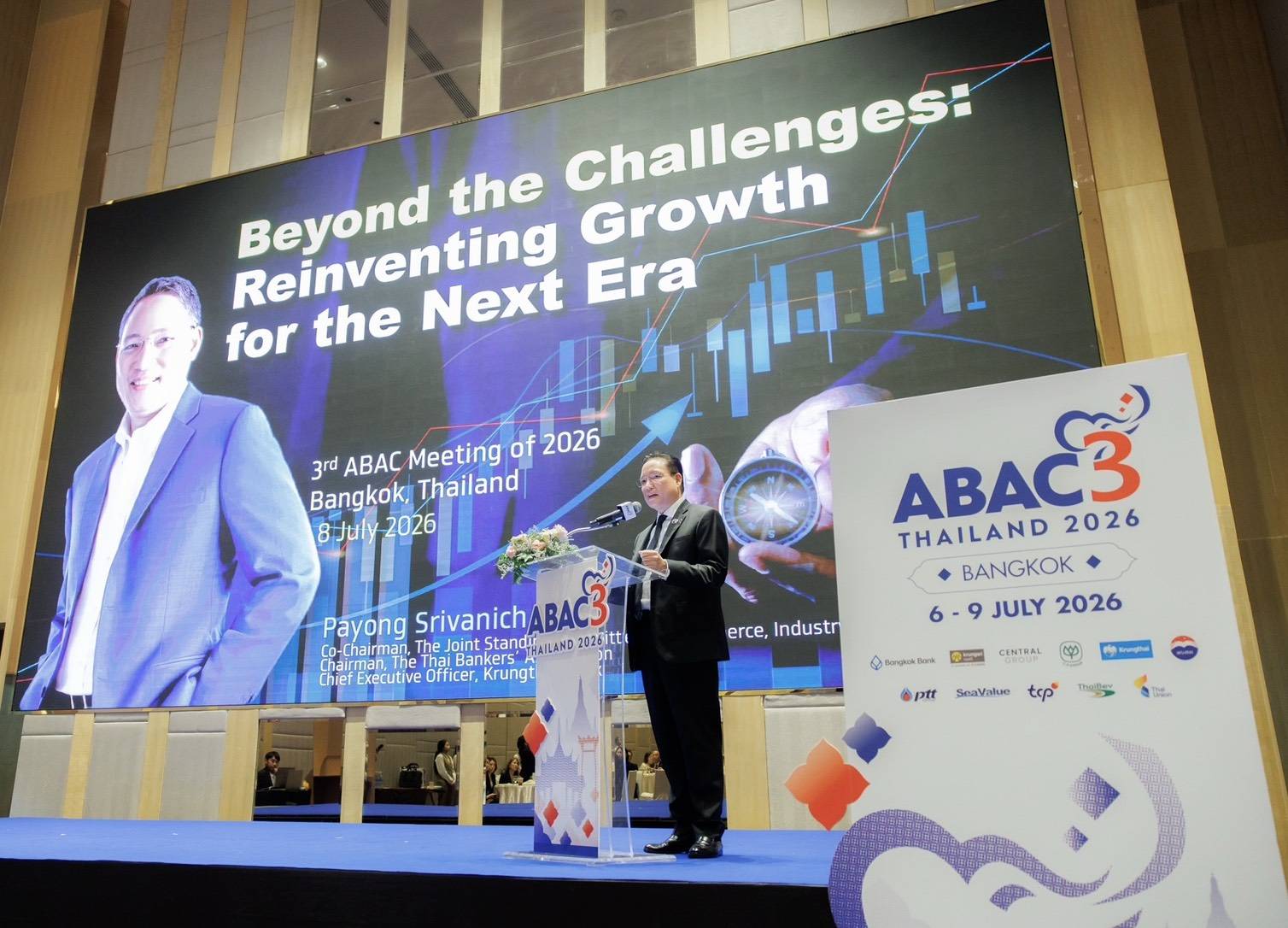
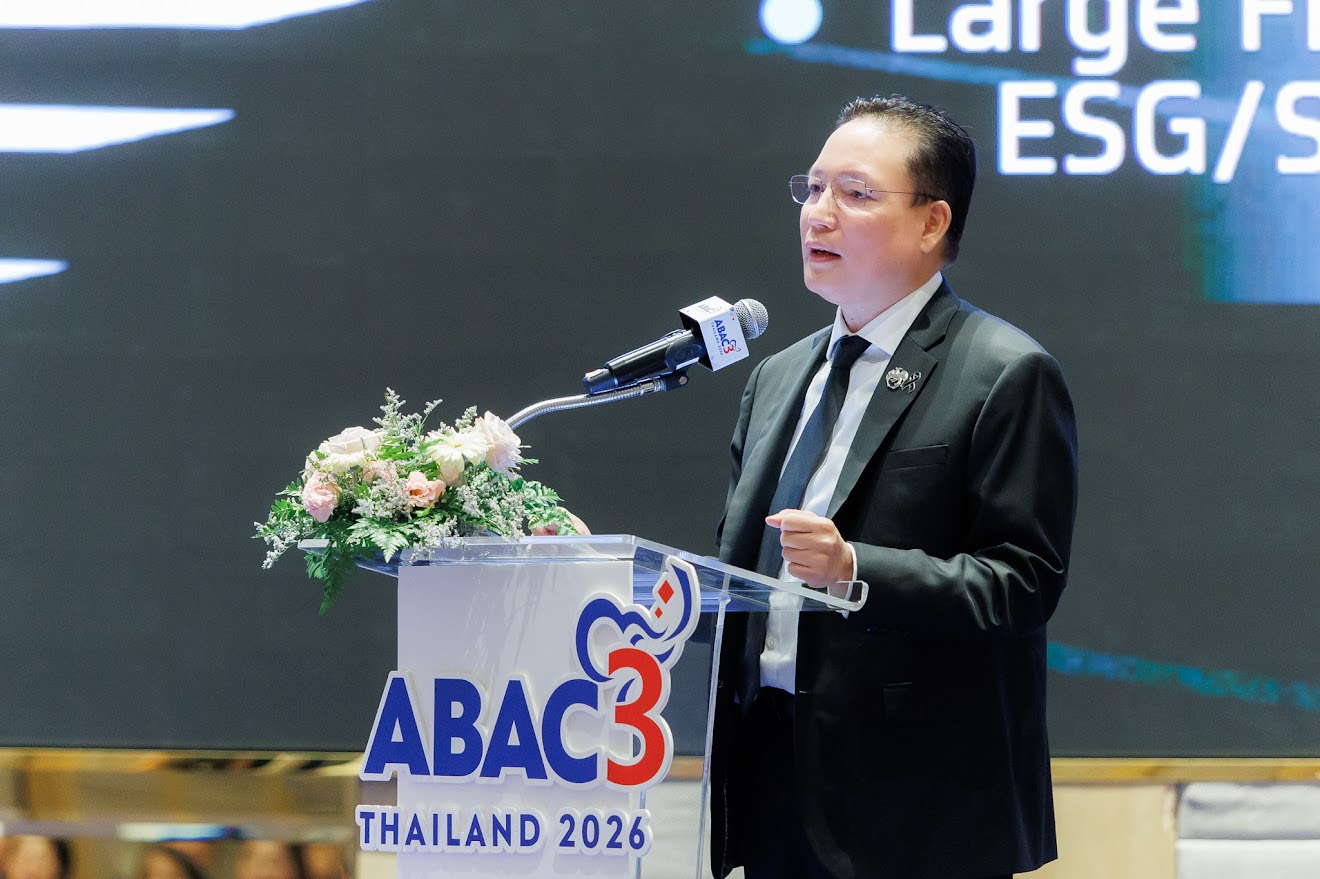
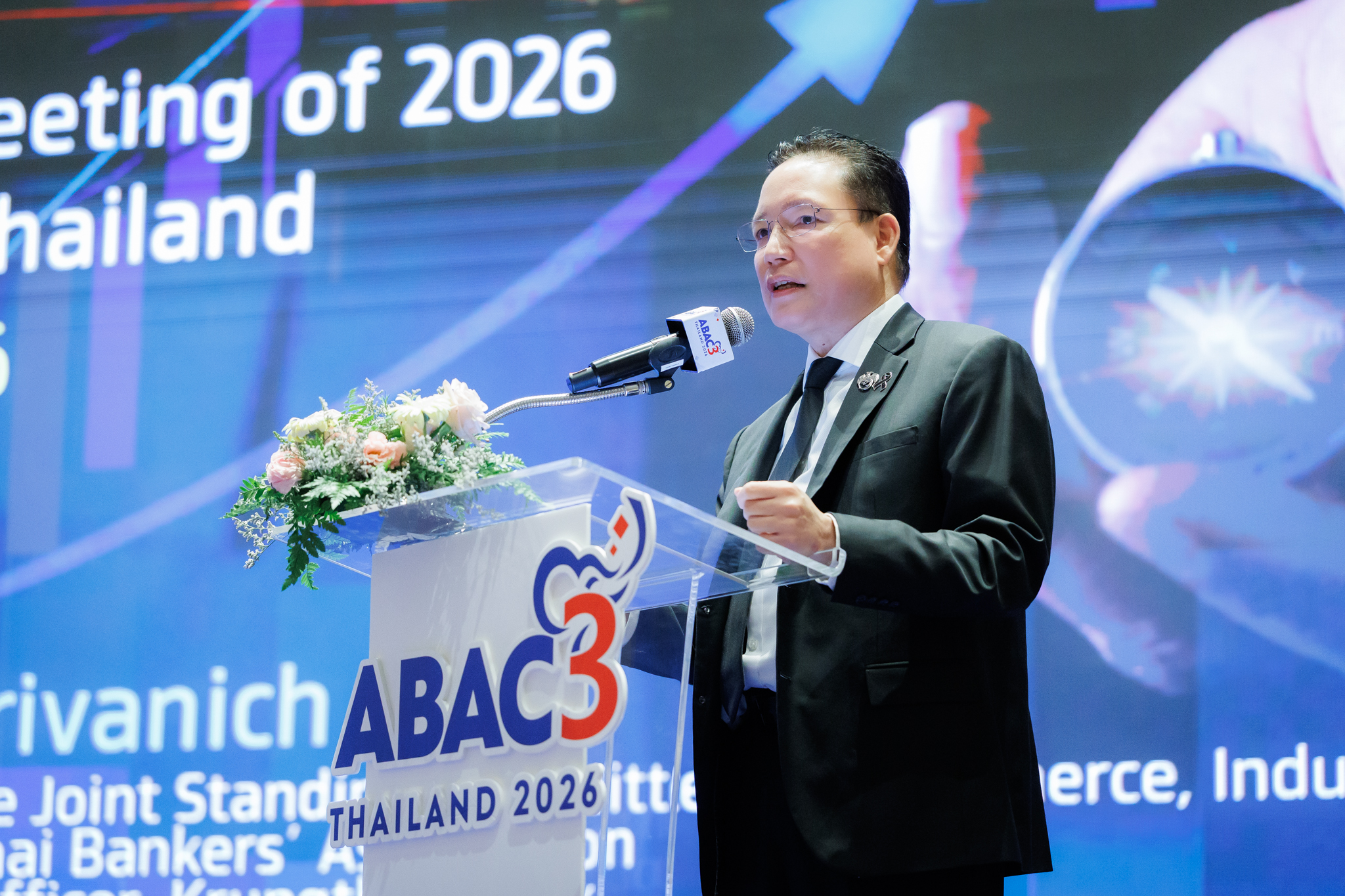
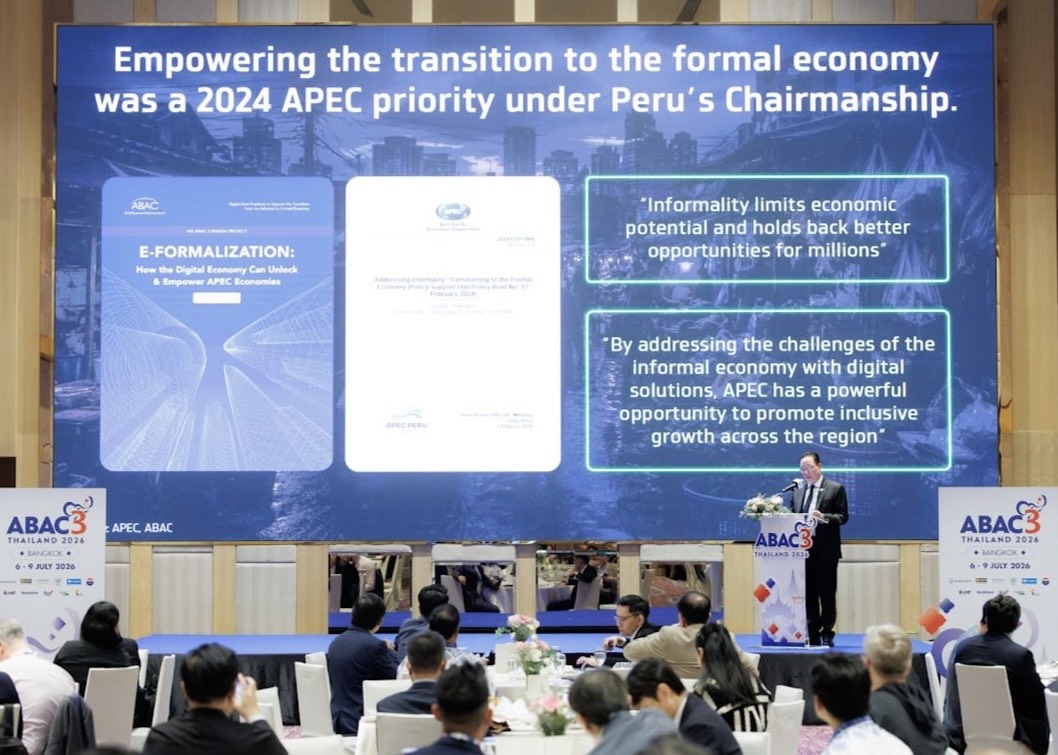
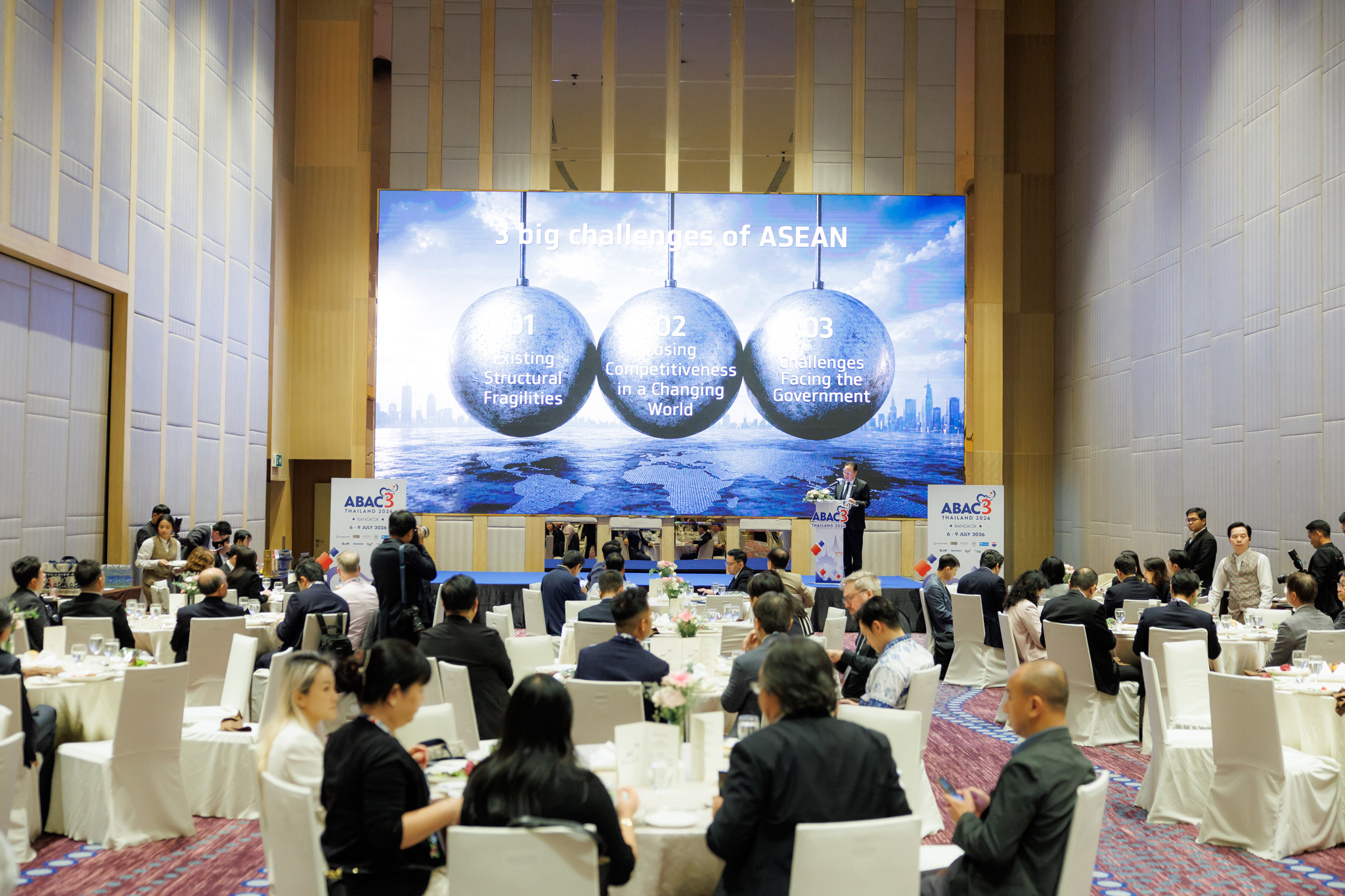
นายผยง ศรีวณิช ประธานคณะกรรมการร่วมภาคเอกชน 3 สถาบัน (กกร.) ปาฐกถาพิเศษในหัวข้อ “Beyond the Challenges: Reinventing Growth for the Next Era – ก้าวข้ามความท้าทาย สู่การเติบโตในยุคใหม่” ในการประชุมสภาที่ปรึกษาทางธุรกิจเอเปค ครั้งที่ 3 / 2569 หรือ ABAC Thailand 2026 ซึ่งประเทศไทยเป็นเจ้าภาพจัดการประชุม ระหว่างวันที่ 6-8 กรกฎาคม 2569 โดยนำเสนอวิสัยทัศน์การพลิกโฉมการเติบโตทางเศรษฐกิจ ท่ามกลางความท้าทายที่เขตเศรษฐกิจในกลุ่ม APEC รวมถึงประเทศไทยต่างต้องเผชิญกับการเติบโตที่ชะลอลง ซึ่งจะกระทบกับการสร้างความมั่งคั่ง โอกาส คุณภาพชีวิต และการจ้างงานที่มีคุณภาพในระยะข้างหน้า พร้อมชู "Reinvent Thailand" โมเดลความร่วมมือระหว่างภาคเอกชน ภาครัฐ และภาควิชาการ เพื่อร่วมกันสร้างเครื่องยนต์การเติบโตใหม่ของประเทศไทย
นายผยง กล่าวว่า การชะลอตัวของเศรษฐกิจในกลุ่ม APEC และภูมิภาคอาเซียนไม่ใช่เพียงผลจากวัฏจักรเศรษฐกิจ แต่เป็นผลจากปัญหาเชิงโครงสร้าง ทั้งเศรษฐกิจนอกระบบขนาดใหญ่ การเข้าสู่สังคมสูงวัย ผลิตภาพที่อยู่ในระดับต่ำ การกระจุกตัวของกิจกรรมทางเศรษฐกิจ เช่น ในกรณีของไทยที่มีจำนวนผู้ประกอบการรายใหญ่คิดเป็นสัดส่วน 1% แต่สร้างมูลค่า GDP มากถึง 65% รวมถึงข้อจำกัดด้านธรรมาภิบาลและหลักนิติธรรม (Rule of Law) ซึ่งเปรียบเสมือน Operating System ของระบบเศรษฐกิจ ที่หลายประเทศในภูมิภาคยังมีช่องว่างเมื่อเทียบกับประเทศสมาชิก OECD ความท้าทายเหล่านี้ล้วนจำเป็นต้องได้รับการแก้ไขอย่างบูรณาการ ทำให้โจทย์ในการขับเคลื่อนเศรษฐกิจ ไม่ใช่การกลับไปสู่เศรษฐกิจแบบเดิม แต่คือ การสร้างเศรษฐกิจแห่งอนาคตที่มีความสามารถในการแข่งขัน และพร้อมรับการเปลี่ยนแปลงของโลก
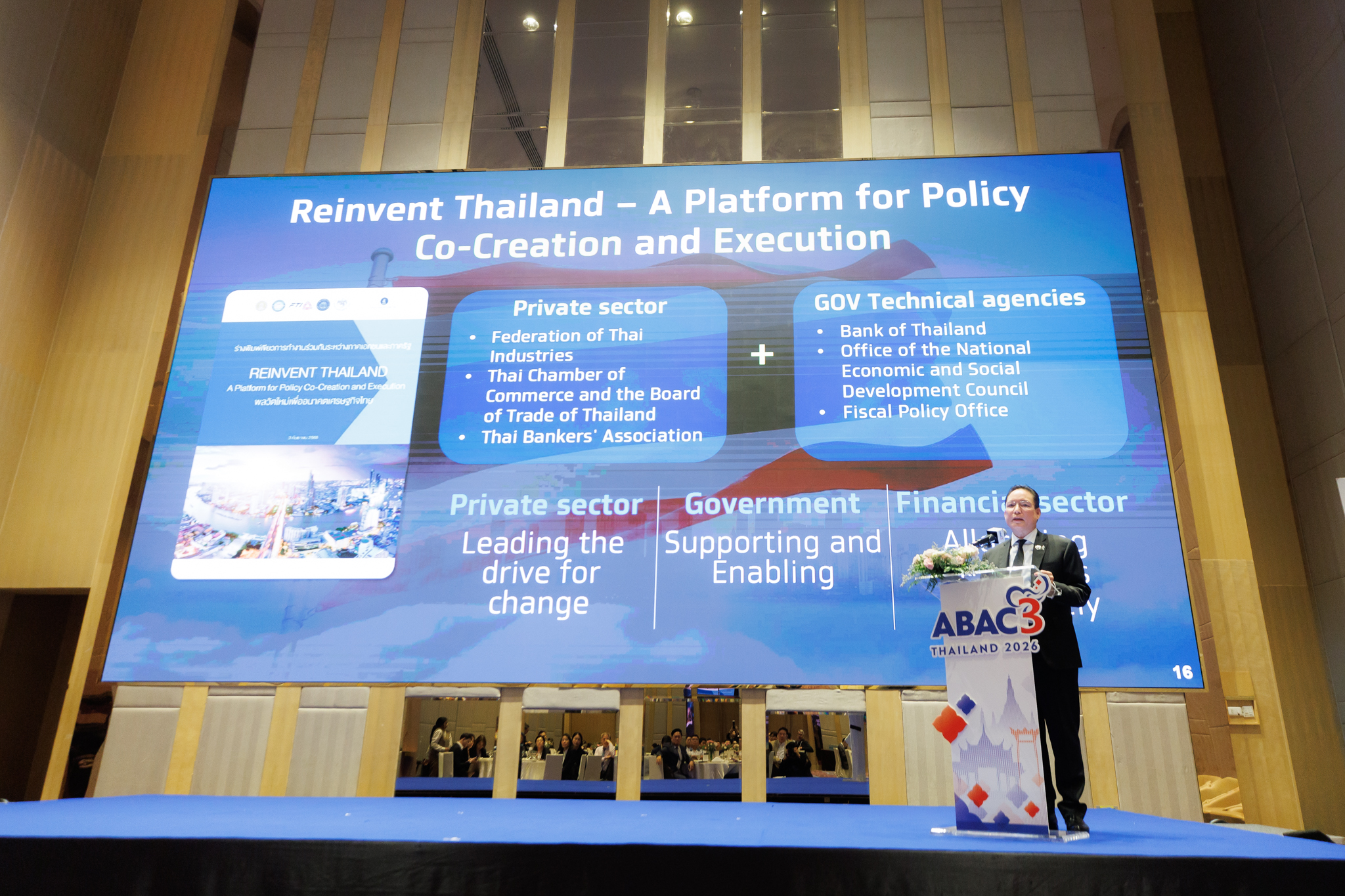
สำหรับประเทศไทย หนึ่งในกลไกสำคัญในการพลิกโฉมเศรษฐกิจ คือการขับเคลื่อนผ่านแพลตฟอร์ม "Reinvent Thailand" โดยยกระดับวิธีการทำงาน จากเดิมที่ภาคเอกชน ภาครัฐ และภาควิชาการ ต่างดำเนินงานแยกส่วนกัน บนเป้าหมายที่แตกต่างกัน ไปสู่การทำงานร่วมกันบนโจทย์เดียวกัน ขับเคลื่อนด้วยข้อมูลที่ถูกต้องและครบถ้วน (Data-driven) กำหนดภาคส่วนที่ต้องรับผิดชอบในแต่ละเรื่องอย่างชัดเจน (clear ownership) โดยภาคเอกชนสะท้อนปัญหาและโอกาสทางธุรกิจ ภาครัฐผลักดันการปฏิรูปกฎระเบียบ ภาควิชาการสนับสนุนองค์ความรู้และข้อมูลที่รอบด้าน ขณะที่ภาคการเงินช่วยจัดสรรเงินทุนไปยังภาคเศรษฐกิจที่มีศักยภาพ เพื่อร่วมกันผลักดันการปฏิรูปเชิงโครงสร้าง ยกระดับขีดความสามารถในการแข่งขัน และสร้างการเติบโตที่ยั่งยืนในระยะยาว
Reinvent Thailand มุ่งขับเคลื่อน 7 อุตสาหกรรมแห่งอนาคต ได้แก่ เกษตรและแปรรูปอาหาร ยานยนต์ อิเล็กทรอนิกส์อัจฉริยะและบริการดิจิทัล การแพทย์และสุขภาพ การท่องเที่ยว การค้าปลีกและการค้า และเศรษฐกิจสร้างสรรค์ ซึ่งสอดคล้องกับยุทธศาสตร์ของสำนักงานคณะกรรมการส่งเสริมการลงทุน (BOI) และคำแนะนำของ ธนาคารโลกใน Flagship Report เพื่อยกระดับอุตสาหกรรมที่เป็นจุดแข็งของประเทศและมีศักยภาพเติบโตสูง เร่งปรับบทบาท (Reposition) ประเทศไทยสู่การเป็นฐานการผลิตและบริการมูลค่าสูง เชื่อมโยงเข้าสู่ห่วงโซ่อุปทานระดับภูมิภาคและระดับโลก พร้อมดึงดูดการลงทุนใหม่ สร้างงานคุณภาพ และเพิ่มศักยภาพการเติบโต โดยผลการประเมินเบื้องต้นของธนาคารโลกระบุว่า หากการปฏิรูปดำเนินการได้อย่างต่อเนื่อง ประเทศไทยมีโอกาสยกระดับอัตราการเติบโตทางเศรษฐกิจ เป็นมากกว่า 5% ต่อปี และก้าวสู่การเป็นประเทศรายได้สูงได้ภายในปี 2580
ประธาน กกร. กล่าวว่า การปฏิรูปเศรษฐกิจครั้งนี้ ภาคเอกชนให้ความสำคัญกับการยึดมั่นมาตรฐานสากลเป็นแนวทาง ทั้งกรอบ OECD เป้าหมายการพัฒนาที่ยั่งยืน (SDGs) ของสหประชาชาติ กรอบ B-READY ของธนาคารโลก และหลักนิติธรรมของ World Justice Project (WJP) พร้อมกันนี้ ประเทศไทยเตรียมใช้เวที Bangkok Business Summit 2026 : Resilient ASEAN ในวันที่ 3 กันยายน 2569 เป็นเวทีนำเสนอความคืบหน้าของการขับเคลื่อน Reinvent Thailand และเปิดพื้นที่แลกเปลี่ยนข้อเสนอเชิงนโยบายระหว่างภาคธุรกิจ นักลงทุน และผู้กำหนดนโยบายจากทั่วโลก ก่อนต่อยอดสู่การเป็นเจ้าภาพ การประชุม IMF - World Bank Group Annual Meetings 2026 ในเดือนตุลาคมนี้ ซึ่งจะตอกย้ำบทบาทของประเทศไทยในฐานะศูนย์กลางการหารือด้านเศรษฐกิจ การลงทุน และความร่วมมือระหว่างประเทศ
"เชื่อมั่นว่าปัญหาเชิงโครงสร้าง ต้องแก้ด้วยการปฏิรูปเชิงโครงสร้าง ซึ่งจะเกิดขึ้นได้ต้องอาศัยความร่วมมือของทุกภาคส่วน ทั้งภาคธุรกิจ ภาครัฐ และภาควิชาการ จึงจะสามารถก้าวข้ามความท้าทาย และสร้างโอกาสสู่เศรษฐกิจยุคใหม่ ที่ทุกภาคส่วนได้รับประโยชน์ร่วมกันอย่างยั่งยืน"
JSCCIB Advocates “Reinvent Thailand” to Propel Thailand Toward a New Era of Growth Amid Multifaceted Challenges at ABAC Thailand 2026
Payong Srivanich, Chairman of the Joint Standing Committee on Commerce, Industry and Banking (JSCCIB), delivered a special keynote address on “Beyond the Challenges: Reinventing Growth for the Next Era” at the 3rd Meeting of the APEC Business Advisory Council (ABAC) 2026, hosted by Thailand from 6–8 July 2026. In his remarks, he shared a vision for reinventing economic growth at a time when economies across APEC, including Thailand, are facing slowing growth. He noted that this trend could undermine the region’s ability to create prosperity, expand opportunities, improve quality of life, and generate meaningful jobs in the years ahead. He also highlighted “Reinvent Thailand” as a collaborative model that brings together the private sector, government, and technical agencies to jointly co-create new engines of growth for Thailand.
Payong noted that the economic slowdown across APEC and ASEAN is not merely cyclical but stems from structural challenges, including large informal economies, aging populations, low productivity, and the concentration of economic activity. In Thailand, for example, just 1% of companies account for 65% of GDP. He also highlighted shortcomings in governance and the rule of law, which he described as the “operating system” of a modern economy. Many economies in the region continue to lag behind OECD members in these areas. Addressing these challenges requires an integrated approach. The goal, therefore, is not to return to yesterday’s economy, but to build the economy of tomorrow—one that is more competitive and prepared for a rapidly changing world.
For Thailand, one of the key mechanisms for economic transformation is the Reinvent Thailand platform, which seeks to improve how key stakeholders work together. It marks a shift from a fragmented approach—where the private sector, government, and technical agencies often worked in silos and pursued different priorities—to a collaborative model built on a shared problem statement, data-driven policymaking, and clear ownership. Under this framework, the private sector identifies business challenges and growth opportunities; the government drives regulatory reform; technical agencies provide comprehensive insights; while the financial sector allocates capital to high-potential sectors of the economy. Together, these efforts aim to advance structural reform, enhance Thailand’s competitiveness, and create sustainable long-term growth.
Reinvent Thailand is focused on advancing seven priority sectors vital to Thailand’s future growth, namely agri & food processing, automotive, smart electronics & digital services, medical & wellness, tourism, retail & trading, and the creative economy. These sectors are aligned with the strategic priorities of the Board of Investment (BOI) and the World Bank’s recommendations in its flagship report on Thailand. The initiative aims to strengthen industries where Thailand already has competitive advantages and strong growth potential, while accelerating efforts to reposition Thailand as a high-value manufacturing and services hub, enhance integration with regional and global supply chains, attract new investment, create quality jobs, and unlock new growth opportunities. According to the World Bank’s preliminary assessment, if reforms are implemented consistently and effectively, Thailand will have an opportunity to accelerate the rate of economic growth to be above 5% per year and achieve high-income status by 2037.
The Chairman of the JSCCIB noted that the private sector places strong emphasis on using internationally recognized standards and frameworks as guiding principles for Thailand’s economic transformation. These include the OECD accession process, the United Nations Sustainable Development Goals (SDGs), the World Bank’s B-READY framework, and the Rule of Law framework developed by the World Justice Project (WJP). He also added that Thailand will use the Bangkok Business Summit 2026: Resilient ASEAN, to be held on 3 September 2026, as a platform to present progress under the Reinvent Thailand initiative and facilitate dialogue among business leaders, investors, and policymakers from around the world. This momentum will continue with Thailand’s hosting of the IMF–World Bank Group Annual Meetings 2026 in October, further reinforcing the country’s role as a hub for economic dialogue, investment, and international cooperation.
“We firmly believe that structural problems demand structural solutions. Only through genuine collaboration—combining the strengths of the private sector, government, and technical agencies—can we unlock the next era of sustainable and inclusive growth,” Payong concluded.